

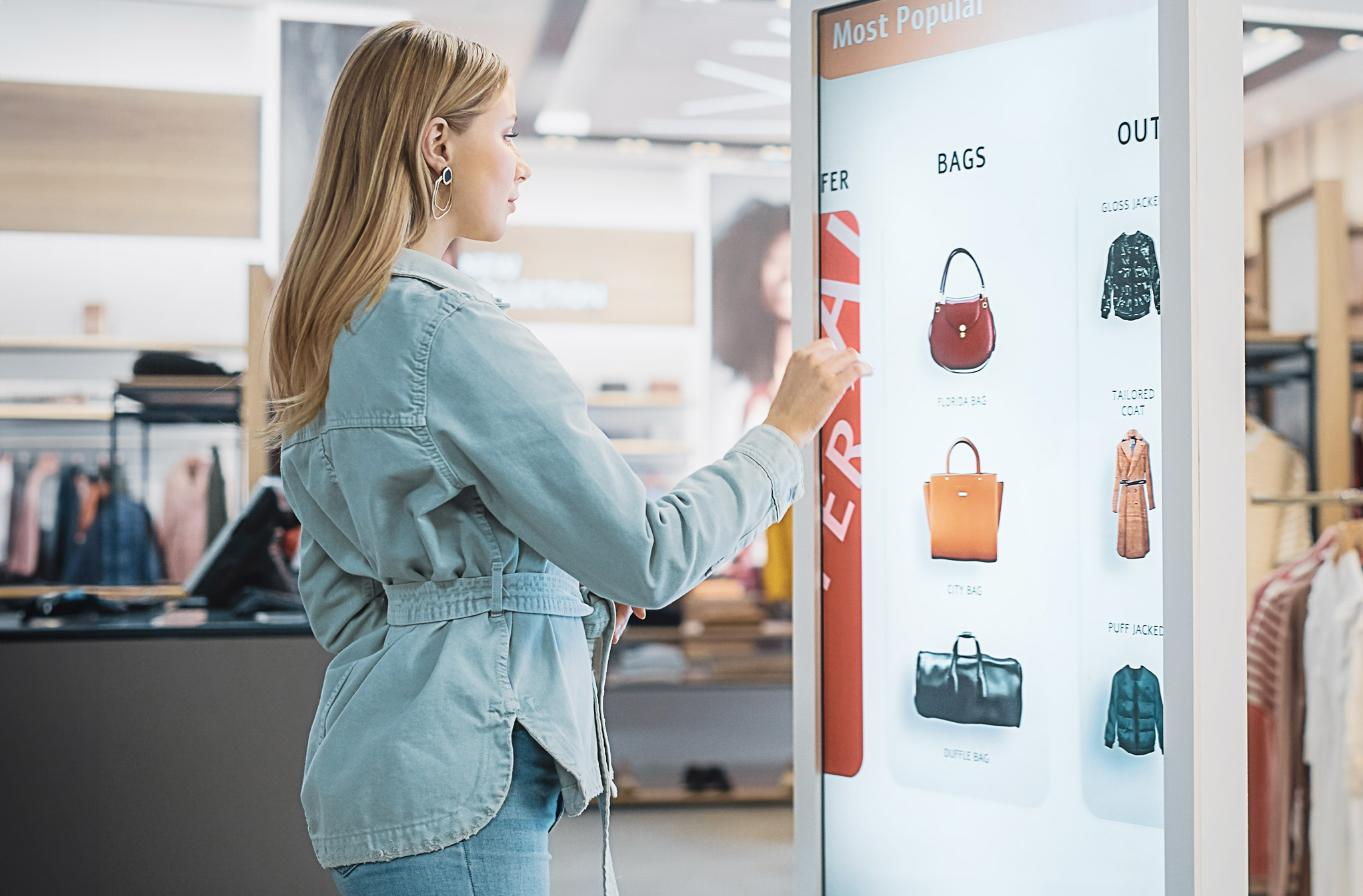
In the fast-paced world of retail, digitalization is changing the rules of the game.
The marketplace is becoming increasingly competitive. Retailers face the challenge of capturing the shopper's attention and keeping them engaged. The traditional strategy of location and good service is no longer enough.
It's no longer just about attracting customers to stores, but about offering them a unique experience that combines the best of the physical and digital environment.
In this article we tell you how brands can take advantage of digital transformation to impact the shopper at the point of sale, under the approach of knowing in depth their desires and behaviors.
Modern consumers are looking for personalized and meaningful experiences. However, many brands still struggle to fully understand what their customers want and how they can adapt their strategies to meet those expectations.
Here are five digital strategies to capture the attention of the buyer:
Interactive Kiosks: allow shoppers to search for products, check prices and obtain detailed information autonomously. These devices can offer personalized recommendations based on the customer's shopping history and searches, making the shopping experience more efficient and satisfying.
Augmented Reality (AR): a valuable tactic for consumers to visualize how products would look in their real environment before purchasing them. For example, a furniture store can offer an AR app that allows shoppers to see how furniture would look in their home. This not only improves customer satisfaction, but also reduces returns.
Electronic Price Tags: allow real-time price updates, which is especially useful for promotions and discounts. They can also display additional product information, special promotions and price comparisons directly on the shelf.
Mobile Payment and Self-Service Systems: reduce queues and improve efficiency at the point of sale. Shoppers can scan and pay for their products quickly, improving their experience and reducing waiting time.
Omnichannel experiences: Integrating the physical and digital worlds through omnichannel experiences is crucial. Allowing shoppers to start their purchase online and finish in-store, or vice versa, provides flexibility and convenience. Tools such as click-and-collect and in-store returns for online purchases are examples of this integration.
Another digital tool that we at HWP provide our clients with in order to better understand point-of-sale behaviors is eyetrackers.
Eyetrackers are devices that track people's eye movements, providing accurate data on where they focus their attention as they walk through the store. This technological tool offers three benefits:
Store layout optimization: By analyzing where shoppers focus their attention, retailers can adjust store design to highlight key products, improve shelf layout and create more efficient paths to purchase.
Improved visual communication: eyetrackers help to understand which visual elements capture more attention, allowing to optimize the placement of posters, displays and promotions to maximize their impact.
Personalizing the shopping experience: With data on shoppers' interests and visual behaviors, retailers can personalize the shopping experience. For example, they can adjust digital advertising in real time to show products that have captured the shopper's attention.
As you can see, the need to implement digital tools in our stores is key to obtain data that will allow us to better understand the preferences of shoppers, generate more personalized loyalty and engagement plans, and finally, have better operational efficiencies.